Your Safety,
Our Priority
Staying Safe Around Electricity
Electricity is the invisible force that powers our modern world. While it is essential to our daily lives, it demands respect, awareness, and constant vigilance. Whether you are at home, in the office, or on a job site, understanding electrical hazards is the first step toward a safer environment.
Why Electrical Safety Matters
A safe community is built on informed individuals. By prioritizing safety protocols, you protect more than just equipment—you protect lives, homes, and livelihoods.
Downed Line Safety
Stay Back, Stay Alive
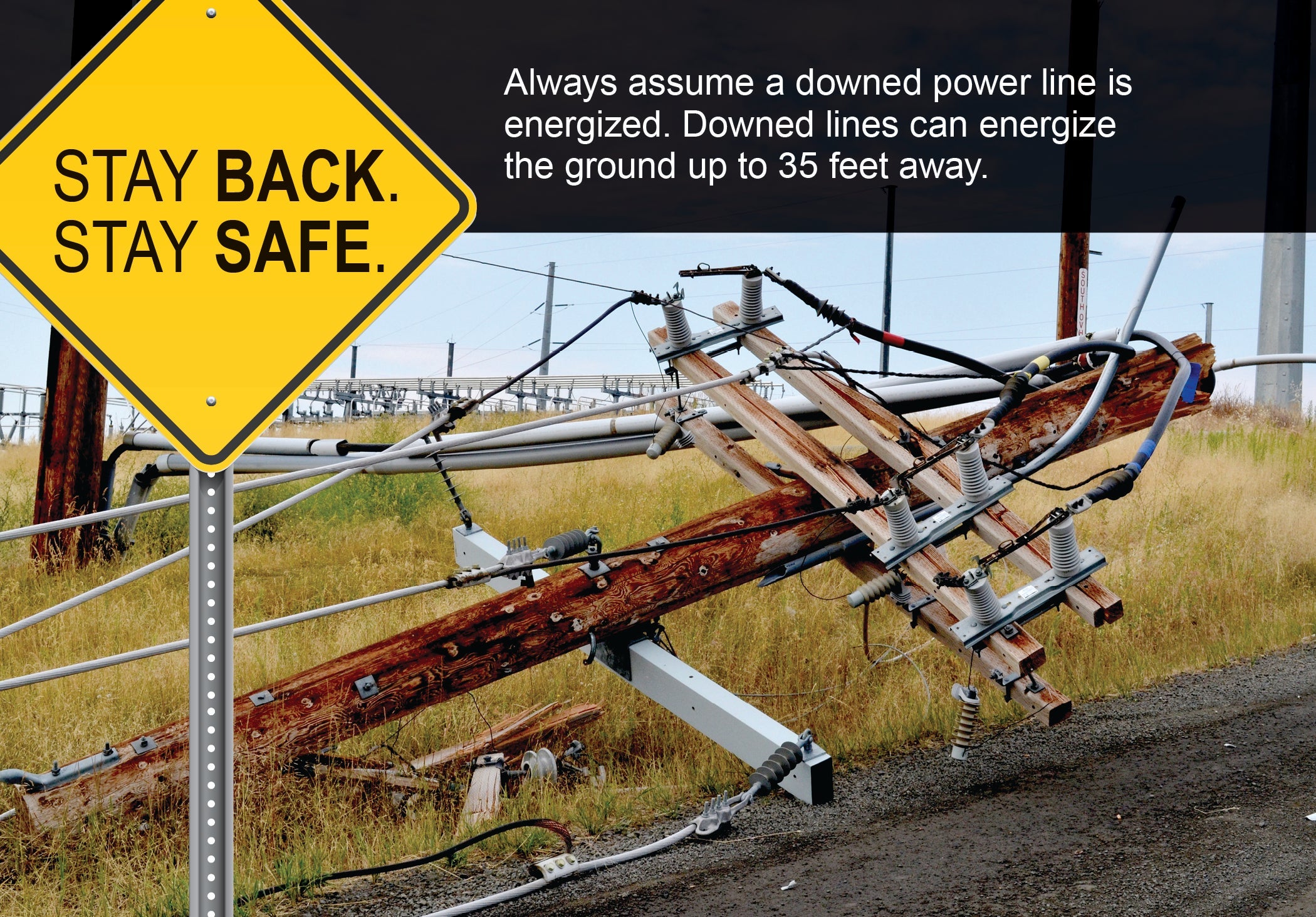
Never trust appearances—a downed power line doesn't have to be sparking or humming to be deadly. If you encounter a fallen wire, assume it is fully energized and capable of causing fatal injury.
In the Event of a Vehicle Accident:
- If your vehicle comes into contact with a power line, do not exit. Your car and the surrounding ground may be highly energized. Stay inside your vehicle, call 9-1-1, and wait for line crews to confirm the area is de-energized. Your vehicle is your safest shield—staying put could save your life.
If you encounter a downed line, your actions in the first few seconds are vital. Follow these to protect yourself and those around you:
Immediate Scene Safety
- Keep Your Distance: Maintain a minimum distance of 35 feet (about the length of a school bus) from any downed line or any object it is touching, such as a fence or a tree.
- Never Use "Non-Conductive" Objects: Do not attempt to move a wire with a broom, stick, or PVC pipe. Even materials that normally don't conduct electricity can become deadly conductors if they are damp or dirty.
- Avoid Standing Water: Electric current can travel through puddles and wet grass. Never approach a downed line near water.
- Do Not Drive Over Lines: A downed wire can become entangled in your wheels or undercarriage, energizing the entire vehicle or pulling down additional poles.
The "Shuffle Step": How to Move Away
Electricity doesn't just sit in the wire; it spreads through the ground like a ripple in a pond. To avoid "step potential"—the difference in voltage between your two feet—you must move away correctly:
- Keep your feet together and touching the ground at all times.
- Shuffle away using tiny, overlapping steps.
- Never lift a foot or take a normal stride until you are at least 35 feet away.
If You are Trapped in a Vehicle
- Stay Put: Unless there is an immediate fire, stay inside your car. It is your safest "insulation bubble."
- Signal for Help: Honk your horn, roll down your window to shout, and use your phone to call 911. Warn bystanders to stay far away from the vehicle.
- The "Clean Jump" (Fire Emergency Only): If you must exit due to fire:
- Jump clear of the vehicle with both feet together.
- Do not touch the car and the ground at the same time.
- Once you land, shuffle away until you are at a safe distance.
Helping Others Safely
- Don't Become the Next Victim: If you see someone in contact with a wire, do not touch them. As much as you want to help, your body will simply become a second path for the electricity.
- Call 911 immediately. The best way to help is to ensure professional rescue and utility crews are on the way.
Power Outage Safety
When the power goes out, your primary goal is to keep your household safe while crews work to restore service. Use these essential tips to navigate an outage from the first flicker until the lights return.
Immediate Safety Actions
- Report the Outage: Never assume your utility provider knows your power is out. Use their official app or phone line to report it immediately.
- Stay Clear of Downed Lines: Always assume any fallen wire is energized and deadly. Stay at least 35 feet away and keep children and pets indoors.
- Unplug Electronics: Disconnect sensitive equipment like computers and televisions to protect them from potential power surges when electricity is restored. Leave one lamp turned "on" so you know when power has returned.
Water and Flood Precautions
- Avoid Submerged Areas: Never enter a flooded basement or room if the water has reached outlets, power strips, or baseboard heaters.
- Dry Hands & Ground: Never flip a breaker or touch any electrical equipment if you are standing in water or if your hands are wet.
- Post-Flood Inspections: If your appliances or electrical systems have been submerged, they must be professionally cleaned and inspected by a certified technician before being used again.
Safe Environment Management
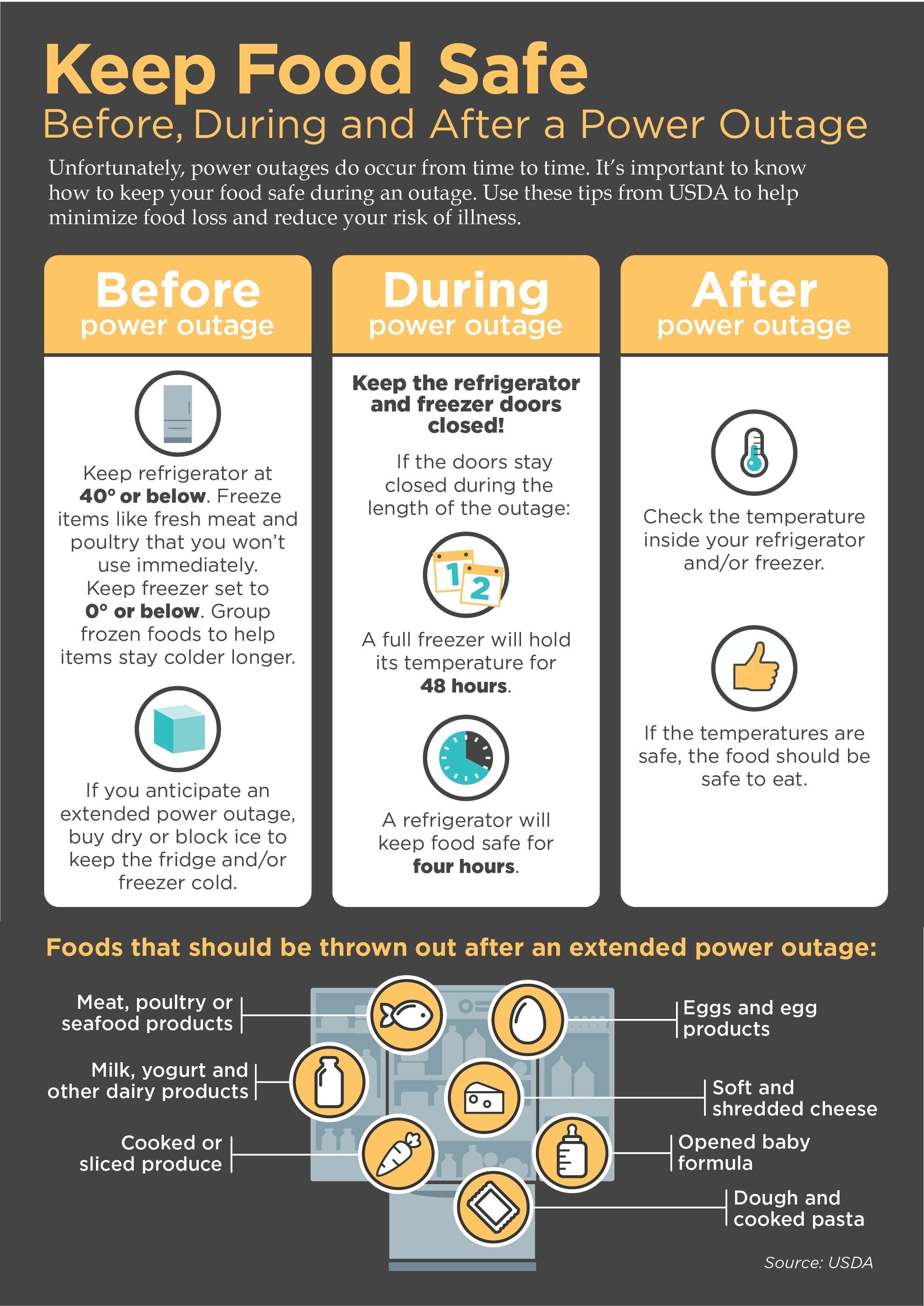
- Generator Safety: Only operate portable generators outdoors in well-ventilated areas. Never run them in a garage, basement, or near windows, as carbon monoxide can build up quickly.
- Food Preservation: Keep refrigerator and freezer doors closed. An unopened fridge will keep food cold for about 4 hours; a full freezer can maintain its temperature for 48 hours.
- Safe Heating: Never use a gas oven, range, or charcoal grill to heat your home. These are major fire hazards and sources of toxic fumes.
Post-Storm Building Entry
- Verify Utilities: Before entering a storm-damaged building, ensure electricity and gas have been officially disconnected.
- Watch for "Stray Voltage": Be cautious when touching damp walls or metal framing, as compromised internal wiring can energize these surfaces.
The Essential Outage Kit
- Hydration & Nutrition: A three-day supply of bottled water (one gallon per person per day) and non-perishable food with a manual can opener.
- Light & Communication: Multiple flashlights with extra batteries, a portable power bank for phones, and a battery-operated weather radio.
- Medical Supplies: A 7-day supply of all essential prescriptions, a standard first-aid kit, and basic pain relievers.
- Sanitation: Hand sanitizer, moist towelettes, and basic hygiene products.
- Comfort & Protection: Warm blankets, a change of dry clothes, and sturdy work gloves for cleanup.
- Documents & Cash: A waterproof folder containing copies of IDs, insurance policies, and a small amount of cash in case ATMs are offline.
- Family Needs: Don’t forget baby supplies (formula/diapers), pet food, and "low-tech" entertainment like cards or books.
Generator Safety
Generators provide essential comfort during an outage, but improper use creates a silent, deadly hazard for both you and utility crews.
Avoid the Danger of "Backfeeding"
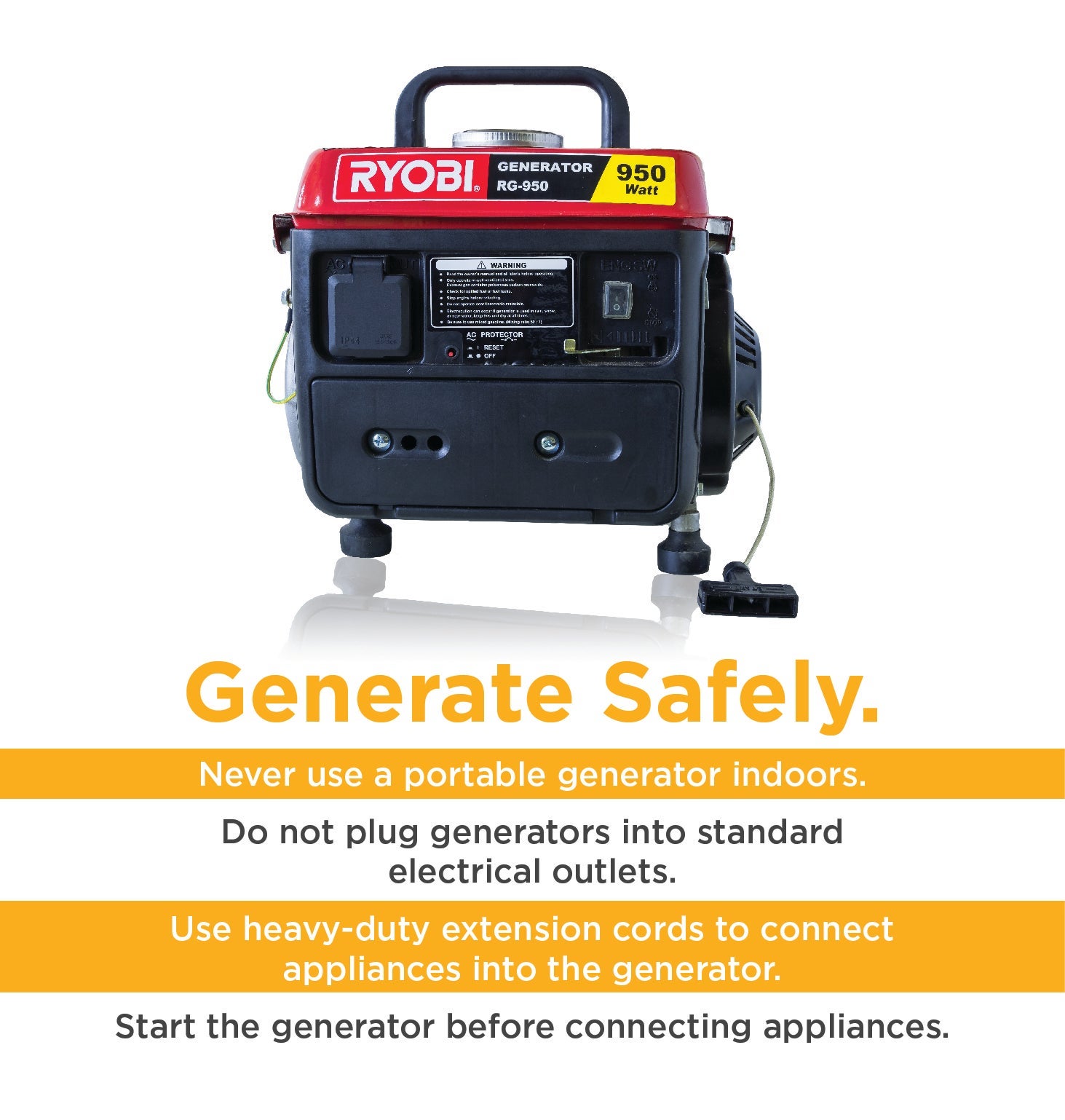
- Never plug a portable generator directly into a wall outlet. This causes "backfeeding," where high-voltage electricity flows backward through your meter and onto the utility lines. This unexpected surge can electrocute lineworkers who believe the lines they are repairing are de-energized.
Preventing Electrocution and "Backfeeding"
- Avoid Direct Home Connection: Never plug a generator into a wall outlet or your home's main electrical panel. This creates a lethal "backfeed" of electricity onto our power lines, endangering lineworkers and neighbors.
- Use a Transfer Switch: The only safe way to connect a generator to your home’s wiring is through a professionally installed transfer switch. This device acts as a gateway that prevents power from leaking back into the grid.
- Plug Directly into the Unit: For portable units, plug appliances directly into the outlets on the generator. Use only heavy-duty, outdoor-rated extension cords that are free of cuts, frayed wires, or missing grounding prongs.
Safe Operation and Fire Prevention
- Proper Grounding: Ensure your generator is correctly grounded according to the manufacturer's manual to prevent electric shocks.
- The "Cold Start" Rule: Never refuel a generator while it is running or still hot. Gasoline spilled on a hot engine can ignite instantly. Always turn the unit off and let it cool before adding fuel.
- Keep it Dry: Operate your generator on a level, dry surface under an open-canopy structure. Using a generator in wet conditions can cause electrocution and damage the unit’s internal components.
- Maintain Fire Readiness: Always keep a fully charged fire extinguisher nearby and ensure it is rated for electrical and fuel fires.
Managing the Electrical Load
- Avoid Overloading: Only use your generator to power essential equipment. Overloading the unit can cause it to overheat, potentially leading to a fire or permanent equipment failure.
- The Shutdown Sequence: Before turning off your generator, turn off and unplug all connected appliances. This prevents power surges and protects your electronics.
- Follow the Manual: Always keep the manufacturer's instructions with the unit. Never cut corners or bypass safety features to save time.
Equipment Safety
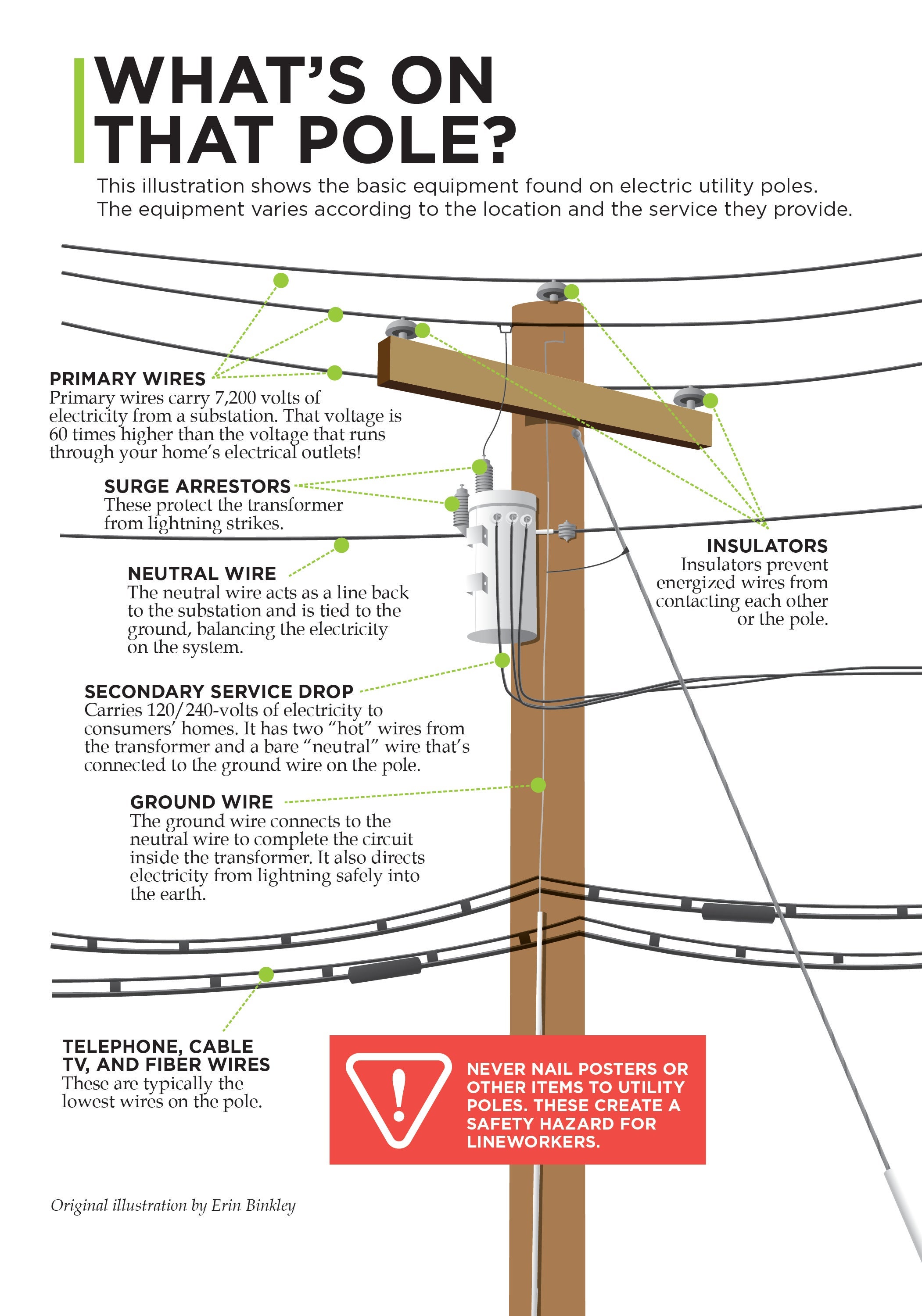
Utility infrastructure is a complex network designed to move high-voltage power safely. While built to withstand the elements, this equipment is not designed for human contact. Maintaining a respectful distance from all utility assets—above and below ground—is essential for your safety and the reliability of your service.
Look Up: Overhead Safety
Always stay alert to the poles and wires lining our streets. Assume all overhead lines are energized and dangerous. Keep ladders, equipment, and yourself at least 10 feet away from any power line.
Dig Deep: Call 811 First
Hazards aren't always visible. Your yard contains a hidden network of electric, gas, water, and fiber-optic lines. Because soil shifts and installation depths vary, it is impossible to "guess" where it is safe to break ground.
Everyday Awareness & Recreational Safety
Safety is a habit. Whether you are working in the yard or playing with your family, keep these "line-of-sight" rules in mind:
- Respect the Infrastructure: Maintain a wide berth around all power lines, meters, transformers, and green electrical boxes (pad-mount transformers). Never allow children to play on or near this equipment.
- Clear the Air: Always fly drones, kites, and balloons in wide-open spaces far away from power lines. If an object becomes entangled in a wire, leave it alone. Do not attempt to retrieve it with a stick or ladder; call us immediately for professional assistance.
- Safe Climbing: Never climb trees that are located near power lines. During a storm or high winds, these trees can become energized, turning a climb into a fatal accident.
- Vertical Awareness: Be extremely cautious when carrying long objects like ladders, pool cleaning poles, antennas, or pruning shears. Always carry them horizontally when moving across your yard to avoid accidental contact with overhead lines.
- Equipment Boundaries: Never attach items to utility poles, including basketball hoops, signs, decorations, or fences. These not only damage the pole but also create obstacles that put our lineworkers at risk during repairs.
Underground Safety: Call 811
Safety isn't just about looking up; it’s about knowing what is beneath you before you break ground.
- The 811 Process: One free call to 811 connects you with a local One Call Center. They will notify all utility companies (electric, gas, water, and fiber) to send a professional locator to your property.
- Free Marking: Within a few business days, locators will use paint or flags to mark the approximate location of your underground lines.
- Protect Your Community: Digging without a locate request can lead to life-threatening accidents, massive utility outages for your neighbors, and expensive repair fines. Whether you are planting a single shrub or installing a deck, Always Call Before You Dig.
Safety Tips for Kids
Curious Minds, Safe Habits
Children often view the world through a lens of play, which means they may not naturally recognize the hidden dangers of high-voltage equipment. By taking a moment to point out the electrical infrastructure in your own neighborhood, you can help them build a lifelong foundation of safety.
Outdoor Play & Recreation
- The Tree Rule: Never climb trees that are near power lines. Even if the branches aren't touching the wires now, they can sag or sway during a storm or under a person's weight, creating a path for electricity.
- Fly High, Fly Far: Always fly kites, drones, and model airplanes in large open parks or fields. Keep them far away from overhead lines. If a kite gets stuck in a tree near a wire, do not climb up to get it.
- Equipment Boundaries: Never play on or around green metal "boxes" (pad-mounted transformers) on cement pads. These are not seats or toys.
- Substation Danger: Electric substations contain high-voltage equipment that can cause an "arc" (a jump of electricity) even if you don't touch anything. Never enter a substation to retrieve a pet or a toy; call BTU for help instead.
- Safe Shelter: Immediately seek indoor shelter if you hear thunder or see lightning while playing outside.
Home and Water Safety
- Wet Hands, Dry Plugs: Never touch an electric appliance, radio, or tablet while in a pool, hot tub, or bathtub. Keep all electronics at least 10 feet away from wet surfaces.
- Storm Protocol: It is never safe to swim in a pool or lake when a storm is brewing. Get out of the water immediately at the first sign of bad weather.
- Outdoor Gadgets: Do not leave electrical toys or gadgets outside. If it rains, the device can become damaged and cause a shock the next time it is used.
- GFCI Protection: Use outlets equipped with "Safety Buttons" (GFCIs) for all outdoor needs. These are designed to shut off power instantly if they detect a problem.
Storm & Hazard Awareness
- Flooded Areas: Never wade or play in flooded streets or yards after a storm. Fallen power lines may be hidden underwater, making the entire area energized.
- The "Tell an Adult" Rule: Teach children to never go near a downed or dangling wire. If they see one, their only job is to stay far away and tell an adult immediately.
- Assume it's Live: Remind children that a power line doesn't have to be moving or making a sound to be dangerous. Always stay away.
Electrical Safety
Protecting Our Community
Electricity is the invisible force that powers our modern lives, but it is a force that requires constant respect and vigilance.
Our mission goes beyond providing reliable power; we are dedicated to ensuring that every member of our community has the knowledge to stay safe around our infrastructure. While many hazards—like a flickering light or a warm outlet—are easy to spot, many electrical dangers are undetectable to the naked eye. This information is designed to help you identify those hidden risks and respond effectively when the unexpected occurs.
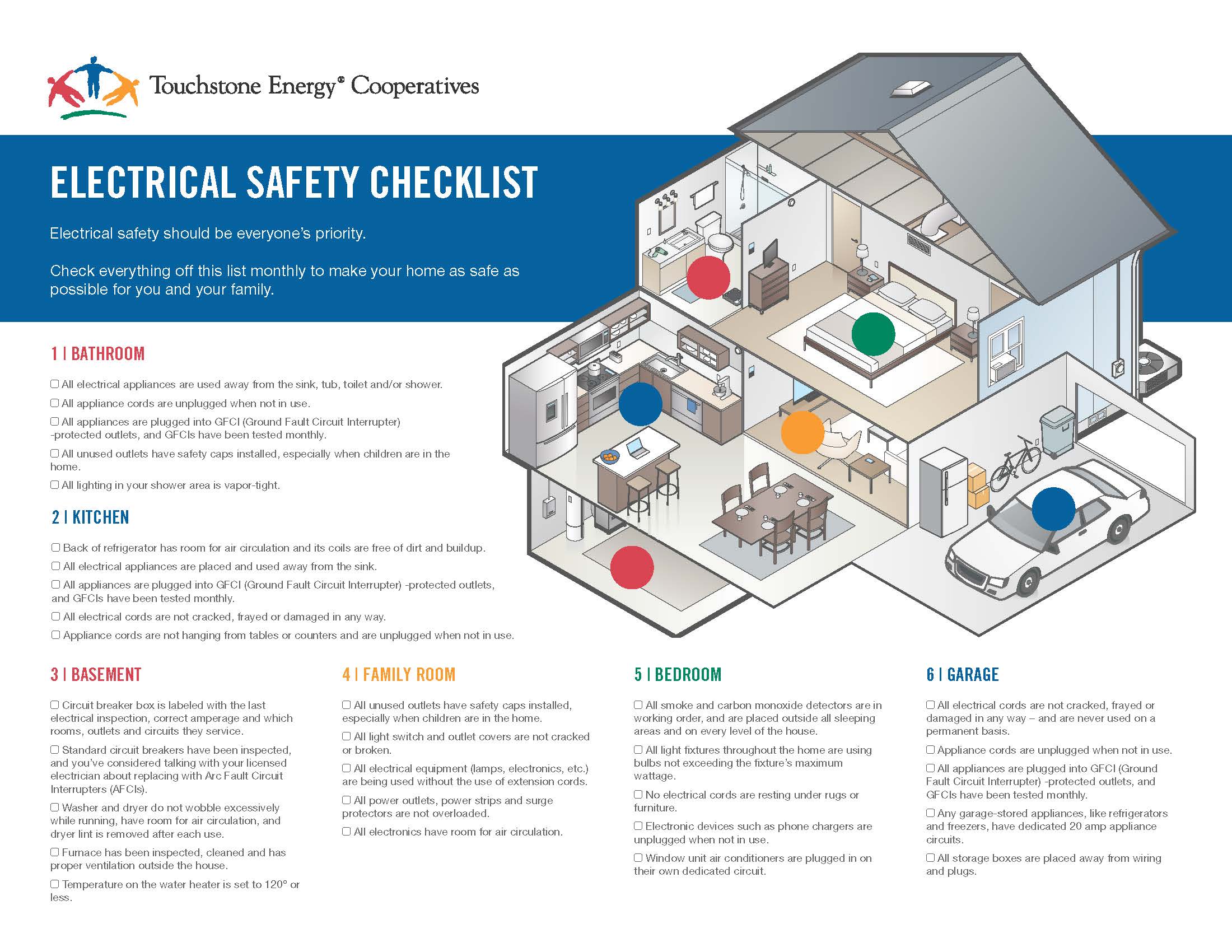
Electricity is a constant presence in our homes, but it requires mindful habits to prevent fires and shocks. Protect your family by following these everyday safety protocols:
Safe Charging & Device Use
- Charge on Hard Surfaces: Never sleep with a charging cell phone or leave a device on soft bedding or under a pillow. The heat generated during charging can easily ignite fabric, leading to a fire.
- Avoid Cheap Replacements: Use only original or brand-name charging blocks and cables. Generic, cheaply made chargers are a leading cause of overheating and electrical shorts.
- Keep Devices Away from Water: Never use a charging phone or tablet near a bathtub, sink, or pool. Fatal electrocutions have occurred when a plugged-in device falls into water.
- One Device per Outlet: Avoid overloading circuits by plugging too many high-draw items into a single outlet or power strip. If your circuit breakers trip frequently, it is a sign that your system is struggling to meet your power demands.
Home Heating & Appliance Safety
- Space Heater Supervision: Always keep portable heaters at least three feet away from flammable items like curtains or paper. Never leave a heater unattended or running while you sleep.
- Retire Old Electric Blankets: Replace any electric blanket that is more than 10 years old or shows signs of frayed wiring.
- Appliance Inspection: Periodically check your large appliances for frayed cords or damaged plugs. If an appliance smells "fishy" or like burning plastic, unplug it immediately and call a technician.
Advanced Safety Features
- Test Your GFCIs Monthly: Ground Fault Circuit Interrupters (the outlets with "Test" and "Reset" buttons) are designed to save lives by cutting power during a surge. Push the test button once a month to ensure they are still functioning correctly.
- Verify AFCI Protection: Arc Fault Circuit Interrupters (AFCIs) detect dangerous electrical "arcs" (sparks) inside your walls that can cause fires. If your home is older, consult an electrician to ensure your panel is equipped with modern AFCI protection.
- Ignore No Symptoms: If your lights flicker often, your outlets feel warm to the touch, or you hear a persistent buzzing from your walls, contact a licensed electrician to assess your home's wiring.
Childproofing for the Next Generation
- Get on Their Level: To truly childproof your home, crawl on the floor to see the world from a toddler’s perspective. Look for exposed power strips, dangling cords, or outlets that are easy to reach.
- Use Tamper-Resistant Outlets: If your home was built before 2008, your outlets may not have built-in safety shutters. Use plastic safety plugs to prevent children from inserting foreign objects into the slots.
- Cord Management: Keep charging cables and appliance cords tucked away or secured to furniture so they don't become trip hazards or tempting "toys" for little ones.